Height safety systems exist to protect people from fatal falls or serious injury while working at height. That’s why reconfirming the compliance (safety) of your height safety system is a critical ongoing responsibility for building owners, facility managers and body corporates.
Start by locating your latest compliance documentation, then identifying any subsequent changes (see our list below) that could render your height safety system non-compliant. If this raises any issues or doubts whatsoever, book a height safety system compliance inspection.
Six signs you may need to book a compliance inspection
1. Missing or incomplete documentation
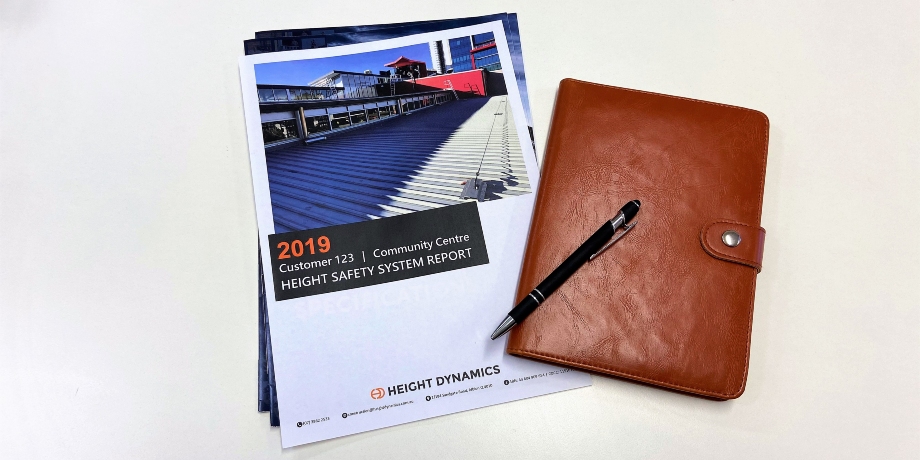
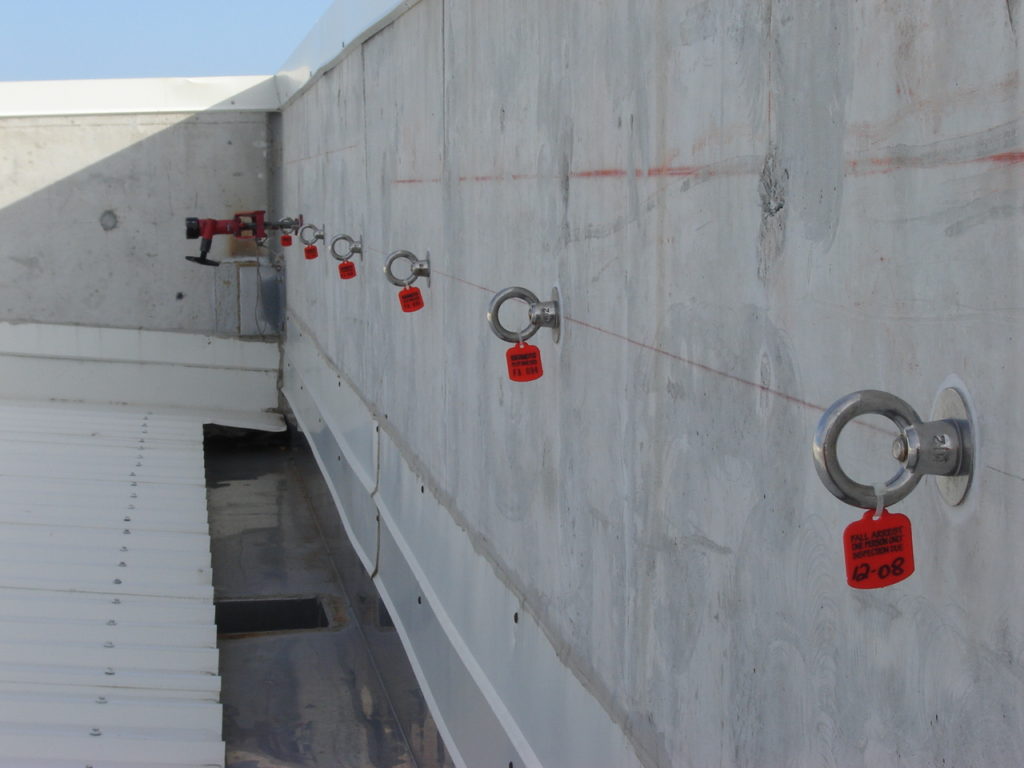
Height safety systems are typically installed during a building’s construction (or as part of a major building upgrade), which may have been many years ago. As such, one of the most common non-compliance risks we see is the least visible to clients — missing or incomplete paperwork. Original documents detailing (a) the design and installation of your height safety system; and (b) certification of its compliance at the time of installation, are important. Without them (or more recent certification) you have limited assurance that your height safety system is safe or compliant.
2. Outdated compliance certification
If your height safety system’s been in-use for a while, it’s tempting to see it as something you can set-and-forget. But the compliance (safety) status of a system this consequential should never be treated as a one-off event. All height safety systems require recertification. How quickly and how often depends on the system. For example, if your height safety system includes single point anchors, horizontal lifelines and/or rigid rails, an inspection and recertification (of those components) is required every 12 months. So check you original system documentation and/or manufacturers instructions (per component) for guidance. If you’re not sure, request a compliance inspection.
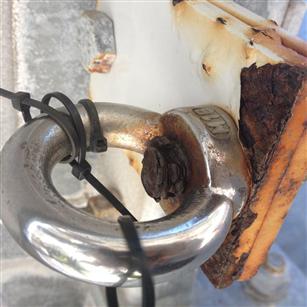
3. Physical degradation of system or surrounding structure
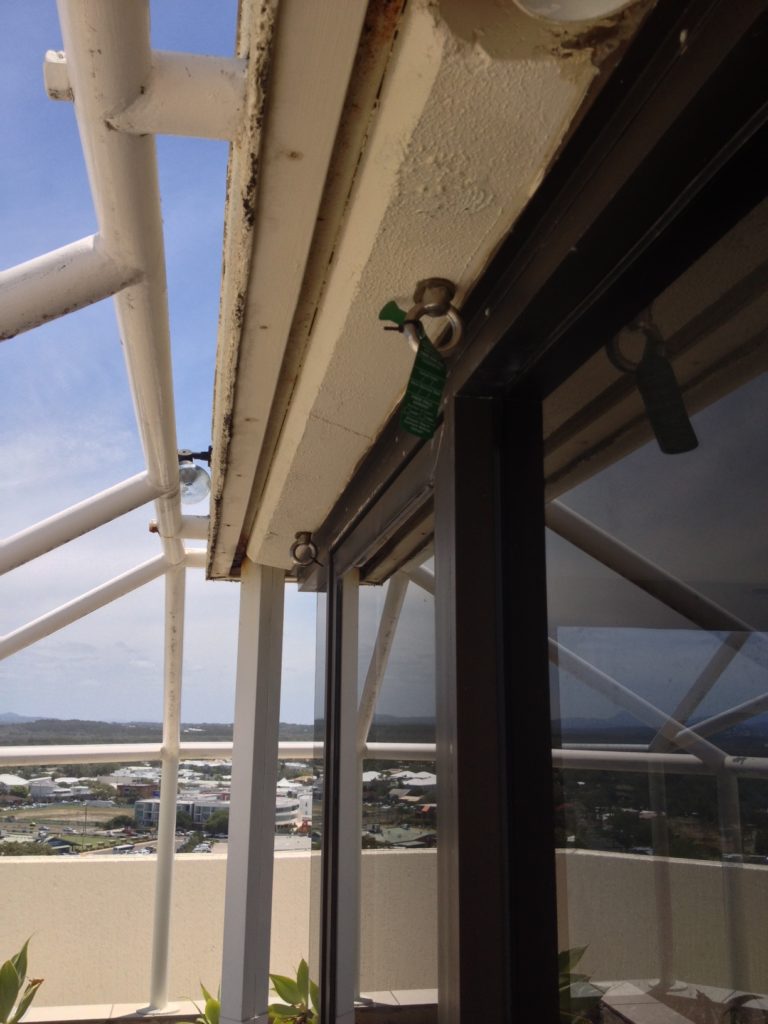
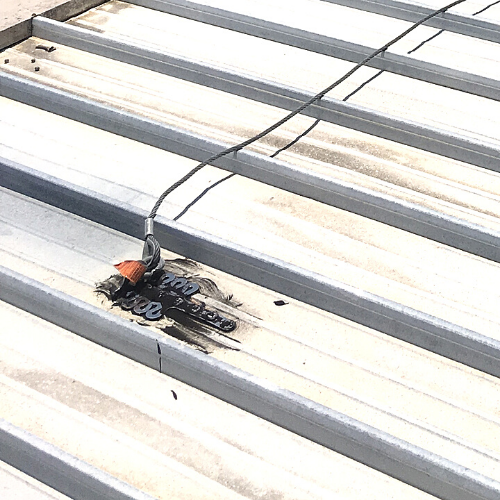
Height safety systems can also fall out of compliance due to physical degradation. This could happen without warning – for example, due to storm damage (something we see a lot of in our callouts). But even very gradual (and normal) wear and tear can render your height safety system – or at least components of it – unsafe and thus non-compliant over time. That’s why regular inspections are always a good idea. Your compliance inspector will also check the structures that surround and support your height safety system for any vulnerabilities that may undermine its safety.
4. System upgraded or modified, but not reassessed
Height safety systems are typically in-use for many years, if not decades. As such, it’s not unusual for modifications or upgrades to be made over time. Examples might include:
- Adding, removing, replacing or relocating anchor points
- Extending or altering static lines or rigid rail systems
- Upgrading or modifying walkways, platforms, crossover systems
- Retrofitting guardrails or edge protection to specific areas
Whilst such changes may be well intentioned improvements (and correctly installed), it’s important to remember that even small changes could impact the performance or compliance of your height safety system as a whole. At worst, they may unintentionally introduce new risks, reduce overall system effectiveness or invalidate previous compliance. That’s why all upgrades and modifications should be accompanied by a system review and recertification – otherwise you’re at risk of non-compliance.
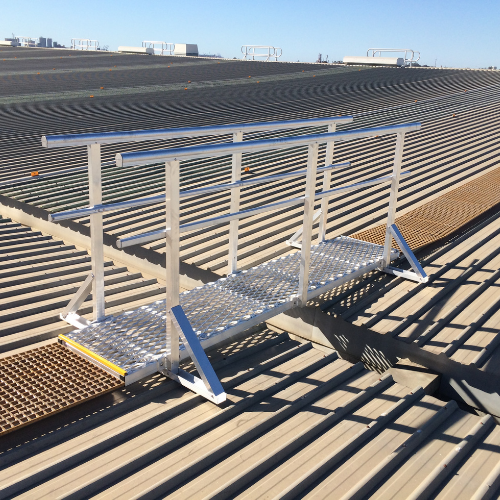
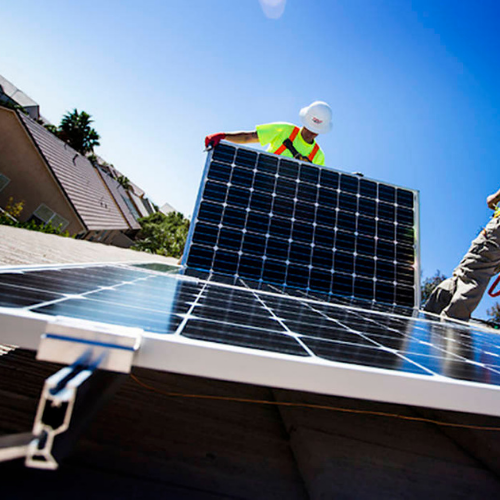
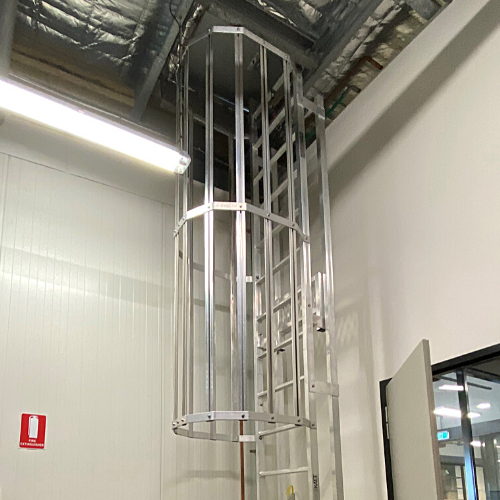
5. New roof plant installed but not supported
As time goes by, it’s very common for buildings to see new and/or additional roof plant, equipment and access installations (along with the the relocation of existing equipment). This could include:
- HVAC units and/or condensers
- Solar panels and/or inverter systems
- Communications equipment (antennas, satellite infrastructure)
- New ductwork, pipework or cable trays
- Skylights and/or roof atriums
- New/additional roof access
Such changes can introduce both safety and non-compliance risks. For example, new or relocated roof plant that cannot be accessed via your existing height safety system becomes a height safety risk for maintenance contractors. New installations that impede existing access routes can create a trip hazard or force workers closer to unprotected edges, which introduces new fall risks.
To address these risks, any new/relocated roof plant installations should always be accompanied by changes to your height safety system (if required) to support them. If this has not occurred, it may not be fit-for-purpose and you should book a compliance inspection to clarify what mitigants are required.
6. User safety and requirements no longer met
It’s not just what’s on the roof that can change over time. How frequently the roof is accessed, and by whom, can also evolve. Perhaps your roof initially only had telecoms installations, but now it has HVAC, skylights and solar panels. That means your height safety system will be used by more maintenance contractors, and more frequently. If you’ve added new roof access options, this may change where the demand on your height safety system is greatest. Where that roof access point is (external or internal) may also add to the safe work requirements and equipment needs of users. If your height safety system hasn’t evolved alongside these changes, it may no longer be safe for users.
Peace of mind is only a compliance inspection away
If a serious workplace accident occurred tomorrow, how certain are you that your height safety system:
- Is still compliant with all relevant height safety standards?
- Has a design that meets current user needs (fit-for-purpose)?
- Remains structurally safe to use — both at the component level and as a complete system?
If the answer isn’t a confident, evidence-based Yes – request an inspection today. A professional height safety system compliance inspection removes all the guesswork. It will assess your height safety system as it is now and verify whether or not your system is still compliant. Any unmitigated risks can then be addressed and peace of mind restored. Request an inspection today >